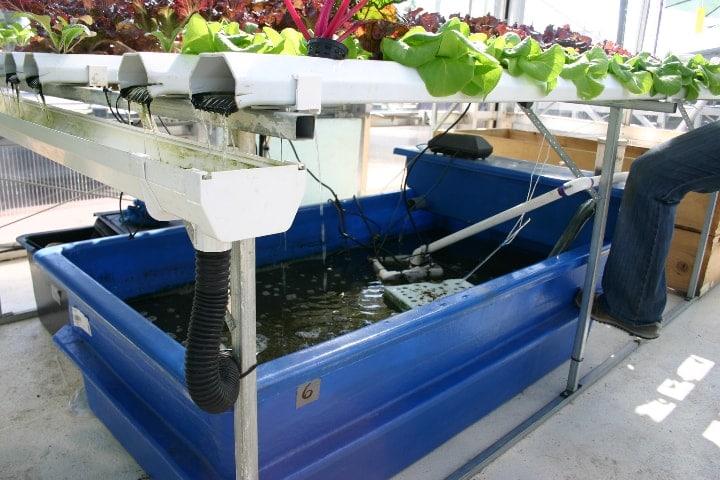
Aquaponics Made Easy: DIY System Setup for Small Spaces
Aquaponics, a symbiotic system combining aquaculture (raising fish) and hydroponics (growing plants without soil), offers a sustainable and space-efficient way to cultivate fresh food. This guide provides a comprehensive blueprint for setting up a DIY aquaponics system perfectly suited for small spaces, empowering you to cultivate your own vibrant garden within the confines of your home or apartment.
Understanding the Fundamentals of Aquaponics
The core principle of aquaponics lies in the harmonious interplay between fish and plants. Fish waste, rich in ammonia, is broken down by beneficial bacteria in the water. This process converts ammonia into nitrates, which are readily absorbed by plants as essential nutrients. In turn, plants filter the water, removing excess nutrients and providing a clean, healthy environment for the fish. This closed-loop system creates a self-sustaining ecosystem, minimizing waste and maximizing resource utilization.
Essential Components of a Small-Space Aquaponics System
Building a successful aquaponics system requires a well-planned integration of specific components:
Fish Tank
The fish tank serves as the heart of the system, housing the fish and providing a stable environment for their growth. Choose a tank size suitable for your space and the type of fish you plan to raise.
Growing Bed
The growing bed acts as the plant's home, offering a nutrient-rich medium for their roots to thrive. For small spaces, consider vertical grow beds, such as stacked planters or repurposed shelving, which maximize space utilization.
Pump
A pump is essential for circulating water between the fish tank and the growing bed, ensuring nutrient delivery to the plants and oxygenation for the fish.
Filter
A filter helps remove solid waste and impurities from the water, maintaining water quality for both fish and plants.
Biofilter
This crucial component houses beneficial bacteria that break down fish waste into plant-usable nutrients. A biofilter can be constructed using readily available materials like gravel, lava rock, or ceramic rings.
Plants
Choose plants that thrive in a hydroponic environment, such as lettuce, spinach, herbs, or strawberries.
Fish
Select fish species that are compatible with the size of your system and that produce minimal waste. Goldfish, tilapia, and koi are popular choices.
DIY Aquaponics System Setup for Small Spaces
Here's a step-by-step guide to setting up your DIY aquaponics system:
Step 1: Choosing the Right Tank
For a small space, a 20-30 gallon tank is an ideal starting point. Look for a tank with a sturdy base and a tight-fitting lid to prevent water spills and evaporation.
Step 2: Building the Growing Bed
For vertical growth, consider a multi-tiered planter system made from recycled materials such as pallets, wood, or PVC pipes. Construct a waterproof lining using pond liner or a thick plastic sheet. Fill the growing bed with an inert medium such as expanded clay pebbles or hydroton.
Step 3: Installing the Pump
Select a submersible pump with a flow rate appropriate for your tank and growing bed size. Place the pump in the fish tank, ensuring it's submerged and secured. Connect the pump's outlet to a pipe or tubing that leads to the growing bed.
Step 4: Setting Up the Filter
A simple filter can be created using a container with a layer of gravel, charcoal, and filter floss. Place the filter in the fish tank, ensuring water flows through it. The filter removes solid waste and impurities, improving water quality.
Step 5: Constructing the Biofilter
Create a separate container with a biofilter media like lava rock, ceramic rings, or gravel. Connect this container to the growing bed's outlet, allowing water to flow through it. The biofilter houses beneficial bacteria that break down ammonia and nitrite, converting them into nitrates for plant uptake.
Step 6: Planting Your Choices
Carefully plant your chosen vegetables or herbs in the growing bed, ensuring their roots have adequate space to grow.
Step 7: Introducing the Fish
After cycling the system, introducing fish is crucial to kickstart the aquaponics process. Choose compatible fish species and add them gradually, allowing the system to adjust to the new inhabitants.
Maintenance and Monitoring
Regular maintenance is vital to ensure the health of both your fish and plants. Here are some essential tasks:
Troubleshooting Common Issues
Aquaponics, like any other system, can encounter issues. Here are some common problems and solutions:
Benefits of Small-Space Aquaponics
Aquaponics, particularly in small-space settings, offers numerous advantages:
Aquaponics offers a transformative approach to food production, fostering a sustainable and self-sufficient lifestyle. Embark on your aquaponics journey by setting up a DIY system, reaping the benefits of fresh, organic produce while enjoying the beauty of this captivating closed-loop ecosystem.

0 comments:
Post a Comment