Growing Your Own Food: A Beginner's Guide to Aquaponics
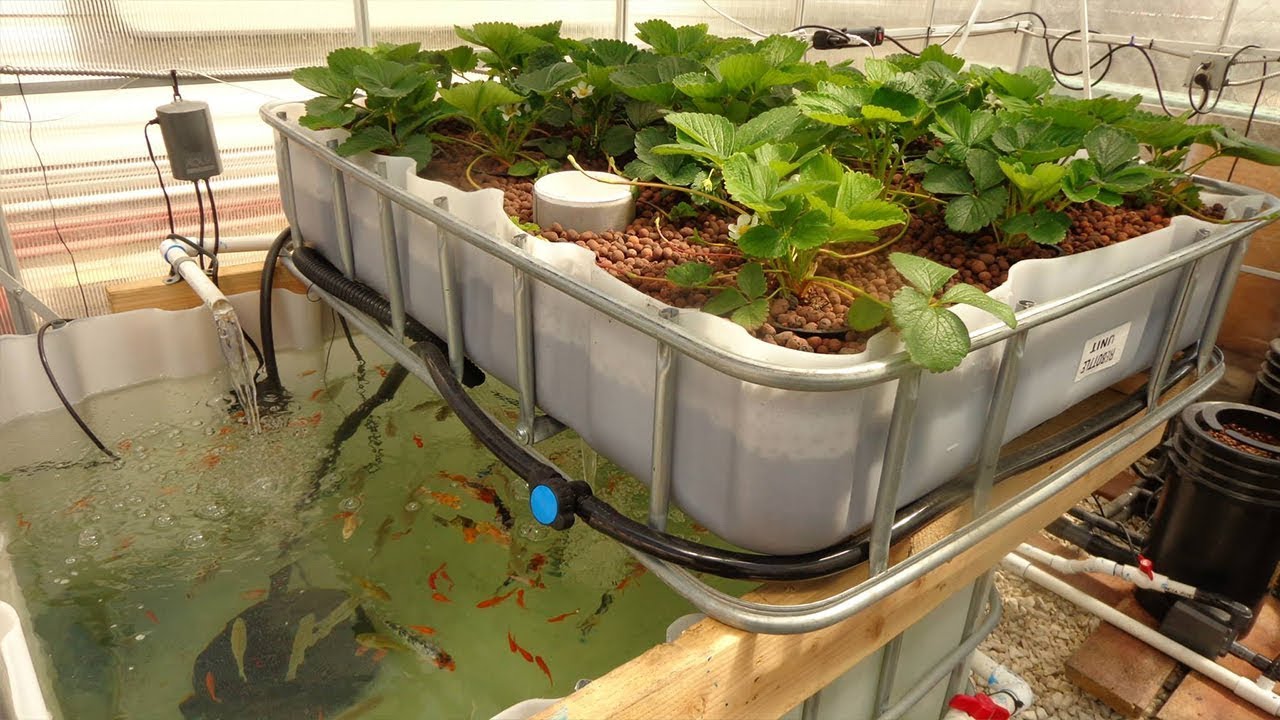
Ever dreamed of having a bountiful garden, but the thought of dealing with soil, pests, and watering schedules makes you cringe? Aquaponics might be your perfect solution! This amazing system combines the best of both worlds â€" aquaculture (raising fish) and hydroponics (growing plants without soil). It's a closed-loop system where fish waste fertilizes the plants, and the plants, in turn, clean the water for the fish. Sounds complicated? Don't worry, it's actually surprisingly simple to set up and maintain, especially when you have the right information.
Let’s dive in and explore how to make an aquaponics system using readily available materials and simple tools! You don't need fancy equipment or a huge budget. This guide will walk you through the process, step by step, so you can be harvesting your own fresh, delicious produce in no time.
Step 1: Choose Your System
Before you start gathering materials, you need to decide on the type of aquaponics system that best suits your space and needs. There are many different designs, but here are a few popular options for beginners:
1. Simple Raft System
This is a great choice for beginners because it's relatively easy to build and maintain. It consists of a fish tank (your "aquaculture" component) and a growing bed (your "hydroponics" component) placed above it. A simple raft, made from a waterproof material like foam board or plastic, floats on the water in the fish tank, supporting the plants.
2. Deep Water Culture (DWC) System
In this system, the plants are grown in net pots suspended directly in the nutrient-rich water from the fish tank. It's a very efficient system for growing fast-growing leafy greens, but it requires a bit more attention to ensure the water quality remains optimal.
3. Vertical Aquaponics System
If space is limited, a vertical system might be your best bet. It uses vertical growing towers or walls, which can be constructed from PVC pipes, plastic sheets, or other readily available materials. This allows you to grow more plants in a smaller footprint, making it perfect for balconies, patios, or even indoors.
Consider these factors when choosing your system:
Step 2: Gather Your Materials
Once you've decided on your system, it's time to gather your materials. Here's a general list of what you'll need, but the specific items will vary depending on your system type:
Fish Tank
You'll need a fish tank big enough for your fish to comfortably swim and thrive. A 30-gallon tank is a good starting point for beginners, but you can scale up as you gain experience.
Growing Bed or Raft
This will depend on your chosen system. For a raft system, you'll need a waterproof foam board or plastic sheet that will float on the water. For a DWC system, you'll need net pots and a way to suspend them in the water. A vertical system will require PVC pipes, plastic sheets, or other suitable materials for building the tower or wall.
Pump
A pump is necessary to circulate the nutrient-rich water from the fish tank to the growing bed. Choose a pump that's powerful enough to handle the volume of water in your system, but not so powerful that it creates excessive turbulence. A submersible pump is a good option for most systems.
Plumbing Supplies
You'll need a variety of plumbing supplies to connect the fish tank to the growing bed, including pipes, connectors, and fittings. PVC pipe is durable and inexpensive, making it a good choice for aquaponics systems.
Fish
The type of fish you choose will depend on your system size and your personal preferences. Goldfish, tilapia, and koi are popular choices for beginners. Start with a small number of fish and gradually add more as your system matures.
Plants
Choose plants that are well-suited for aquaponics. Fast-growing leafy greens, like lettuce, spinach, and kale, are excellent choices. Herbs, such as basil, mint, and oregano, are also good options. Avoid plants that have deep roots or require a lot of space, as they might not thrive in a limited root zone.
Growing Medium
You don't need soil for aquaponics, but you do need a growing medium to hold the roots and provide structure. Popular choices include:
Step 3: Build Your System
Now for the fun part â€" building your aquaponics system! The specific instructions will vary depending on the system type you've chosen. However, the general steps are similar:
1. Set Up the Fish Tank
Place the fish tank in a location that receives indirect sunlight or is shaded from the hot sun. Ensure the tank is level and has a sturdy base to support its weight. Add water to the tank and allow it to cycle for a few weeks before adding your fish.
2. Install the Pump
Install the pump in the fish tank, making sure it's submerged and secured. Connect the pump to the plumbing system, leading the water to the growing bed or raft.
3. Construct the Growing Bed or Raft
For a raft system, build a raft from foam board or plastic, making sure it has sufficient drainage holes to allow water to flow back to the fish tank. For a DWC system, secure net pots to a frame or platform, allowing them to hang in the water. For a vertical system, build towers or walls using PVC pipes or other materials, making sure they have holes for drainage and plant growth.
4. Fill the Growing Bed or Raft with Growing Medium
Once the growing bed or raft is complete, fill it with the growing medium of your choice. The amount of growing medium will depend on the size of your system. Remember to leave enough space for the roots to grow and for the water to circulate.
5. Plant Your Seeds or Seedlings
Now it's time to add your plants! If you're using seeds, plant them directly in the growing medium. If you're using seedlings, gently transfer them to the growing medium, being careful not to damage the roots. Ensure the plants are evenly spaced and have access to enough sunlight.
Step 4: Maintain Your System
Once your aquaponics system is set up, you need to maintain it regularly to ensure the health of both your fish and your plants. Here are some key maintenance tasks:
1. Monitor Water Quality
Regularly test the water quality in the fish tank. Monitor the pH levels, ammonia, nitrites, and nitrates. Make adjustments as necessary to maintain a healthy environment for your fish. Water changes might be required periodically to keep the water clean and nutrient-rich.
2. Feed Your Fish
Feed your fish a balanced diet of high-quality fish food. Avoid overfeeding, as this can lead to excess waste and poor water quality.
3. Harvest Your Plants
Once your plants are ready, harvest them. Harvesting regularly will help to prevent overgrowth and ensure a continuous supply of fresh produce.
4. Clean Your System
Periodically clean your system to prevent algae buildup and maintain optimal water flow. Rinse the growing medium and clean the fish tank as needed.Step 5: Enjoy the Rewards
That's it! With a little effort and patience, you'll soon be enjoying the benefits of a thriving aquaponics system. The rewards are many:
Building an aquaponics system is a great way to connect with nature, learn about sustainable food production, and create a self-sustaining ecosystem in your own backyard. So go ahead, give it a try and enjoy the fruits (and vegetables!) of your labor!


0 comments:
Post a Comment