Monday, November 18, 2024

Building a Budget-Friendly Aquaponic System for Sustainable Gardening

Building a Budget-Friendly Aquaponic System for Sustainable Gardening

Dreaming of fresh, homegrown produce without breaking the bank or sacrificing precious land? Aquaponics offers a sustainable and surprisingly affordable solution! This symbiotic system marries aquaculture (raising fish) with hydroponics (growing plants without soil), creating a self-sustaining ecosystem that minimizes waste and maximizes yield. This guide walks you through building your own budget-friendly aquaponic system, transforming your gardening dreams into a rewarding reality.

Choosing Your System: Simplicity is Key

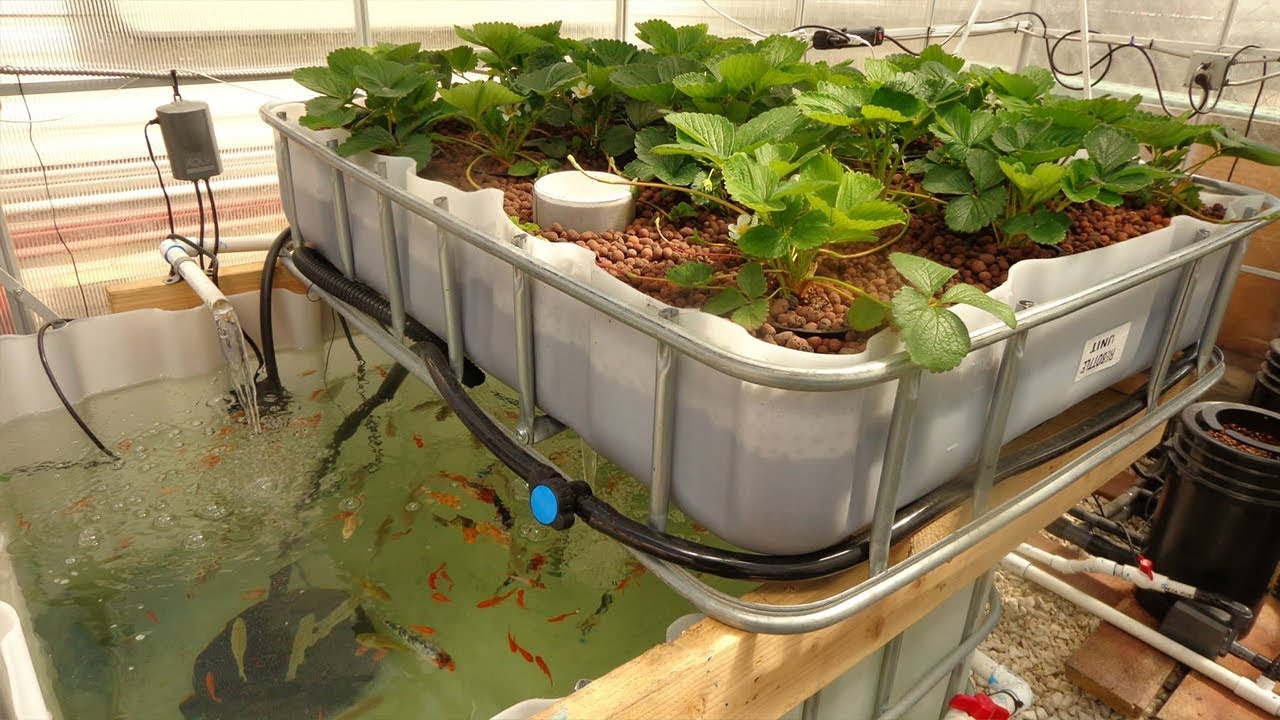
For a budget-friendly approach, opt for a simple, media-based system. Avoid complex, multi-tiered setups initially. A basic media bed system utilizes a fish tank as the aquaculture component and a separate growing bed filled with gravel, clay pebbles, or coco coir as the hydroponic component. This design requires less initial investment than more elaborate systems, making it perfect for beginners. You can easily scale up later as your experience and budget grow.

Materials You'll Need:

To keep costs low, source materials creatively! Consider repurposing items you already own or finding affordable options at second-hand stores. Here's a basic shopping list:

  • A large plastic storage container (for the fish tank) â€" check garage sales or recycling centers!
  • A smaller plastic storage container (for the grow bed)
  • Gravel, clay pebbles, or coco coir (for the grow bed media)
  • An air pump and air stone (to oxygenate the fish tank water)
  • Flexible tubing (to connect the fish tank and grow bed)
  • A submersible pump (to circulate the water)
  • Plants of your choice (choose fast-growing, relatively low-maintenance varieties like lettuce or basil)
  • Fish â€" start with a small number of hardy species like tilapia or goldfish

Constructing Your System: A Step-by-Step Guide

Building your aquaponic system is a straightforward process. Begin by thoroughly cleaning your chosen containers. Next, position the grow bed above the fish tank. Connect the two using the tubing and submersible pump, ensuring that the water flows from the fish tank, through the grow bed media, and back to the tank. The pump should provide a gentle, consistent water flow. Place your air stone in the fish tank and connect it to the air pump to maintain optimal oxygen levels for your fish. Finally, plant your chosen seedlings into the grow bed media, making sure they receive adequate sunlight.

Important Considerations:

  • Water Quality: Regularly monitor water parameters like pH, ammonia, nitrite, and nitrate. These tests are inexpensive and readily available online or at pet stores. Maintaining a healthy balance is crucial for both fish and plant health.
  • Sunlight: Place your system in a location that receives ample sunlight â€" at least 6 hours daily.
  • Fish Health: Observe your fish closely for any signs of illness or stress. Provide them with appropriate food and ensure the water temperature is suitable for their species.
  • Plant Health: Monitor plant growth and adjust watering as needed. Remember that the plants will absorb nutrients from the water circulated from the fish tank.

Maintaining Your System: Long-Term Success

Maintaining your aquaponic system is crucial for its long-term success. Regularly clean your system of any debris that may accumulate in the grow bed. This prevents clogging and ensures proper water flow. Remember that the system is a delicate ecosystem; any imbalances can quickly affect the health of both the fish and the plants. Regular water testing and adjustments are key to maintaining a thriving environment. Don’t be afraid to research and learn more about aquaponics as you go! With patience and attention, your budget-friendly aquaponic garden will reward you with a bountiful harvest of fresh produce year after year.

Building a Budget-Friendly Aquaponic System for Sustainable Gardening

Building a Budget-Friendly Aquaponic System for Sustainable Gardening

Dreaming of fresh, homegrown produce without breaking the bank or sacrificing precious land? Aquaponics offers a sustainable and surprisingly affordable solution! This symbiotic system marries aquaculture (raising fish) with hydroponics (growing plants without soil), creating a self-sustaining ecosystem that minimizes waste and maximizes yield. This guide walks you through building your own budget-friendly aquaponic system, transforming your gardening dreams into a rewarding reality.

Choosing Your System: Simplicity is Key

For a budget-friendly approach, opt for a simple, media-based system. Avoid complex, multi-tiered setups initially. A basic media bed system utilizes a fish tank as the aquaculture component and a separate growing bed filled with gravel, clay pebbles, or coco coir as the hydroponic component. This design requires less initial investment than more elaborate systems, making it perfect for beginners. You can easily scale up later as your experience and budget grow.

Materials You'll Need:

To keep costs low, source materials creatively! Consider repurposing items you already own or finding affordable options at second-hand stores. Here's a basic shopping list:

  • A large plastic storage container (for the fish tank) â€" check garage sales or recycling centers!
  • A smaller plastic storage container (for the grow bed)
  • Gravel, clay pebbles, or coco coir (for the grow bed media)
  • An air pump and air stone (to oxygenate the fish tank water)
  • Flexible tubing (to connect the fish tank and grow bed)
  • A submersible pump (to circulate the water)
  • Plants of your choice (choose fast-growing, relatively low-maintenance varieties like lettuce or basil)
  • Fish â€" start with a small number of hardy species like tilapia or goldfish

Constructing Your System: A Step-by-Step Guide

Building your aquaponic system is a straightforward process. Begin by thoroughly cleaning your chosen containers. Next, position the grow bed above the fish tank. Connect the two using the tubing and submersible pump, ensuring that the water flows from the fish tank, through the grow bed media, and back to the tank. The pump should provide a gentle, consistent water flow. Place your air stone in the fish tank and connect it to the air pump to maintain optimal oxygen levels for your fish. Finally, plant your chosen seedlings into the grow bed media, making sure they receive adequate sunlight.

Important Considerations:

  • Water Quality: Regularly monitor water parameters like pH, ammonia, nitrite, and nitrate. These tests are inexpensive and readily available online or at pet stores. Maintaining a healthy balance is crucial for both fish and plant health.
  • Sunlight: Place your system in a location that receives ample sunlight â€" at least 6 hours daily.
  • Fish Health: Observe your fish closely for any signs of illness or stress. Provide them with appropriate food and ensure the water temperature is suitable for their species.
  • Plant Health: Monitor plant growth and adjust watering as needed. Remember that the plants will absorb nutrients from the water circulated from the fish tank.

Maintaining Your System: Long-Term Success

Maintaining your aquaponic system is crucial for its long-term success. Regularly clean your system of any debris that may accumulate in the grow bed. This prevents clogging and ensures proper water flow. Remember that the system is a delicate ecosystem; any imbalances can quickly affect the health of both the fish and the plants. Regular water testing and adjustments are key to maintaining a thriving environment. Don’t be afraid to research and learn more about aquaponics as you go! With patience and attention, your budget-friendly aquaponic garden will reward you with a bountiful harvest of fresh produce year after year.
Sunday, November 10, 2024

Setting Up an Indoor Aquaponics System: What You Need to Know

Setting Up an Indoor Aquaponics System: What You Need to Know

Aquaponics, a sustainable food production system that combines aquaculture (raising fish) and hydroponics (growing plants without soil), is gaining increasing popularity. This innovative method offers numerous benefits, including reduced water usage, minimal waste generation, and the ability to grow fresh, healthy food year-round. With the increasing demand for locally sourced, sustainable food, indoor aquaponics systems are becoming a viable option for home gardeners, urban farmers, and even commercial producers. This comprehensive guide will walk you through the essentials of setting up an indoor aquaponics system, equipping you with the knowledge to embark on your own aquaponic journey.

Understanding the Aquaponics System

Aquaponics is a symbiotic relationship between fish and plants. The fish waste, rich in nutrients like ammonia, is filtered and converted into usable plant food by beneficial bacteria in a biofilter. This nutrient-rich water is then circulated to the plant growing beds, where plants absorb the nutrients for growth. The plants, in turn, clean the water, removing harmful toxins and providing a healthy environment for the fish. This closed-loop system ensures minimal waste and maximum resource utilization.

Choosing the Right System for You

There are various aquaponics system designs available, each with its advantages and disadvantages. Selecting the right system for your needs depends on factors such as available space, budget, desired plant and fish species, and personal preferences.

Types of Aquaponics Systems

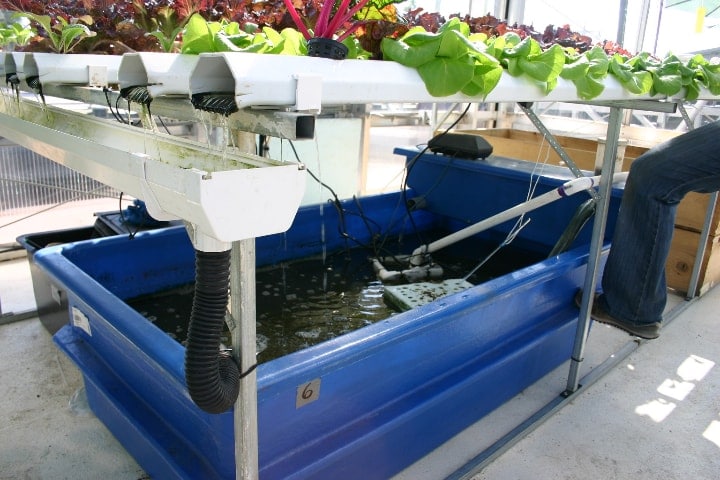
  • Media Bed Systems: These systems use a growing medium like gravel, clay pebbles, or expanded clay aggregate (ECA) to support the plants. They are relatively simple to build and maintain but require larger volumes of water.
  • Deep Water Culture (DWC) Systems: In DWC systems, plants are suspended in nutrient-rich water. They are known for their high yield potential but require more careful monitoring of water quality.
  • Nutrient Film Technique (NFT) Systems: NFT systems use a thin film of nutrient-rich water flowing past the plant roots. They are efficient in terms of water usage but require precise water flow management.
  • Vertical Aquaponics Systems: These systems utilize vertical space for growing plants, making them suitable for smaller areas. They are highly efficient but can be more complex to construct.

Setting Up Your Indoor Aquaponics System

Setting up an indoor aquaponics system involves several key components:

Fish Tank

  • Size: Choose a tank size based on the number of fish you plan to raise and the desired plant yield.
  • Materials: Glass or plastic tanks are commonly used, ensuring durability and easy cleaning.
  • Filtration: A mechanical filter is essential for removing debris from the water. Consider adding a biological filter to promote the growth of beneficial bacteria.
  • Aeration: An air pump and airstones are crucial for oxygenating the water and maintaining optimal water quality for the fish.

Growing Beds

  • Materials: Choose a material that is water-resistant and can support the weight of the plants. Common choices include plastic tubs, grow bags, or wooden troughs.
  • Size: The size of the growing beds depends on the chosen system and the desired plant yield.
  • Drainage: Ensure the growing beds have a drainage system to allow excess water to flow back to the fish tank.

Biofilter

The biofilter is the heart of an aquaponics system, where beneficial bacteria convert fish waste into plant-usable nutrients.

  • Materials: Common biofilter materials include gravel, lava rock, or bioballs.
  • Location: The biofilter can be located within the fish tank or a separate container connected to the system.

Pump and Plumbing

  • Pump: A pump is needed to circulate water from the fish tank to the grow beds and back. Choose a pump with sufficient flow rate for your system size.
  • Plumbing: Use PVC pipes or other durable materials to connect the different components of the system. Ensure all connections are watertight.

Choosing Plants and Fish

The selection of plants and fish for your indoor aquaponics system is crucial for its success. Consider factors like growth rates, water quality requirements, and compatibility.

Plant Selection

  • Fast-growing vegetables: Lettuce, spinach, kale, and other leafy greens are excellent choices due to their fast growth rates and nutrient uptake.
  • Fruits and herbs: Strawberries, tomatoes, basil, and mint can also thrive in aquaponics systems, adding flavor and variety to your harvest.
  • Aquaponic-friendly varieties: Research plant varieties specifically bred for aquaponic cultivation, as they are more resistant to pests and diseases.

Fish Selection

  • Coldwater fish: Goldfish, koi, and other coldwater fish are relatively easy to care for and produce ammonia at a moderate rate.
  • Warmwater fish: Tilapia, catfish, and other warmwater fish are known for their fast growth rates and nutrient output.
  • Compatibility: Choose fish that are compatible with each other and with the chosen plant species.

Maintaining Your Indoor Aquaponics System

Maintaining your aquaponics system is essential for ensuring its long-term success. Regular monitoring and upkeep are key to keeping the system healthy and productive.

Water Quality Monitoring

  • pH: Maintain a pH level between 6.5 and 7.5 for optimal plant growth and fish health.
  • Ammonia: Ammonia levels should be kept below 0.5 ppm. Use a water testing kit to monitor ammonia levels.
  • Nitrates: Nitrate levels should be monitored and kept within safe limits for plants. Use a water testing kit to measure nitrate levels.

Regular Cleaning

  • Fish tank: Clean the fish tank and filter regularly to remove debris and maintain water quality.
  • Growing beds: Depending on the growing medium, clean the growing beds every few weeks to remove any accumulated debris.

Feeding and Harvesting

  • Fish feeding: Feed the fish a balanced diet according to their species and growth stage. Avoid overfeeding, as excess food can pollute the water.
  • Plant harvesting: Harvest plants regularly to encourage further growth and prevent overcrowding.

Challenges of Indoor Aquaponics

While indoor aquaponics offers many benefits, it also presents some challenges:

Water Quality Management

Maintaining optimal water quality is crucial for both fish and plants. Monitoring and adjusting pH, ammonia, and nitrate levels require regular attention and testing.

Temperature Control

Indoor aquaponics systems require controlled temperatures for both fish and plants. Heating or cooling systems may be needed to maintain optimal temperatures year-round.

Disease and Pest Control

Aquaponic systems are susceptible to diseases and pests, requiring careful monitoring and preventative measures. Biosecurity practices are essential to minimize the risk of outbreaks.

Benefits of Indoor Aquaponics

Despite the challenges, indoor aquaponics offers numerous benefits that make it a rewarding and sustainable food production method:

Year-Round Production

Indoor systems allow you to grow fresh produce year-round, regardless of the weather conditions outside.

Reduced Water Usage

Aquaponics uses significantly less water compared to traditional agriculture, making it a more sustainable approach. The water is continuously recycled and reused, minimizing water waste.

Minimal Waste

Aquaponics systems are designed to be closed-loop systems, minimizing waste generation. Fish waste is recycled as nutrients for plants, while plant roots clean the water for the fish.

Higher Yields

Aquaponic systems can produce higher yields per square foot compared to traditional agriculture, making them efficient for maximizing space.

Fresh, Healthy Food

Aquaponics allows you to grow fresh, healthy food without the use of pesticides or herbicides, ensuring a safe and nutritious diet.

Conclusion

Setting up an indoor aquaponics system can be a rewarding experience, allowing you to grow fresh, healthy food while contributing to a more sustainable food system. By understanding the key components, selecting suitable plants and fish, and maintaining the system diligently, you can enjoy the benefits of aquaponics and reap the fruits (and vegetables) of your labor. Remember that patience, research, and a little bit of trial and error are essential for success in this fascinating and rewarding world of indoor aquaponics.

Setting Up an Indoor Aquaponics System: What You Need to Know

Setting Up an Indoor Aquaponics System: What You Need to Know

Aquaponics, a sustainable food production system that combines aquaculture (raising fish) and hydroponics (growing plants without soil), is gaining increasing popularity. This innovative method offers numerous benefits, including reduced water usage, minimal waste generation, and the ability to grow fresh, healthy food year-round. With the increasing demand for locally sourced, sustainable food, indoor aquaponics systems are becoming a viable option for home gardeners, urban farmers, and even commercial producers. This comprehensive guide will walk you through the essentials of setting up an indoor aquaponics system, equipping you with the knowledge to embark on your own aquaponic journey.

Understanding the Aquaponics System

Aquaponics is a symbiotic relationship between fish and plants. The fish waste, rich in nutrients like ammonia, is filtered and converted into usable plant food by beneficial bacteria in a biofilter. This nutrient-rich water is then circulated to the plant growing beds, where plants absorb the nutrients for growth. The plants, in turn, clean the water, removing harmful toxins and providing a healthy environment for the fish. This closed-loop system ensures minimal waste and maximum resource utilization.

Choosing the Right System for You

There are various aquaponics system designs available, each with its advantages and disadvantages. Selecting the right system for your needs depends on factors such as available space, budget, desired plant and fish species, and personal preferences.

Types of Aquaponics Systems

  • Media Bed Systems: These systems use a growing medium like gravel, clay pebbles, or expanded clay aggregate (ECA) to support the plants. They are relatively simple to build and maintain but require larger volumes of water.
  • Deep Water Culture (DWC) Systems: In DWC systems, plants are suspended in nutrient-rich water. They are known for their high yield potential but require more careful monitoring of water quality.
  • Nutrient Film Technique (NFT) Systems: NFT systems use a thin film of nutrient-rich water flowing past the plant roots. They are efficient in terms of water usage but require precise water flow management.
  • Vertical Aquaponics Systems: These systems utilize vertical space for growing plants, making them suitable for smaller areas. They are highly efficient but can be more complex to construct.

Setting Up Your Indoor Aquaponics System

Setting up an indoor aquaponics system involves several key components:

Fish Tank

  • Size: Choose a tank size based on the number of fish you plan to raise and the desired plant yield.
  • Materials: Glass or plastic tanks are commonly used, ensuring durability and easy cleaning.
  • Filtration: A mechanical filter is essential for removing debris from the water. Consider adding a biological filter to promote the growth of beneficial bacteria.
  • Aeration: An air pump and airstones are crucial for oxygenating the water and maintaining optimal water quality for the fish.

Growing Beds

  • Materials: Choose a material that is water-resistant and can support the weight of the plants. Common choices include plastic tubs, grow bags, or wooden troughs.
  • Size: The size of the growing beds depends on the chosen system and the desired plant yield.
  • Drainage: Ensure the growing beds have a drainage system to allow excess water to flow back to the fish tank.

Biofilter

The biofilter is the heart of an aquaponics system, where beneficial bacteria convert fish waste into plant-usable nutrients.

  • Materials: Common biofilter materials include gravel, lava rock, or bioballs.
  • Location: The biofilter can be located within the fish tank or a separate container connected to the system.

Pump and Plumbing

  • Pump: A pump is needed to circulate water from the fish tank to the grow beds and back. Choose a pump with sufficient flow rate for your system size.
  • Plumbing: Use PVC pipes or other durable materials to connect the different components of the system. Ensure all connections are watertight.

Choosing Plants and Fish

The selection of plants and fish for your indoor aquaponics system is crucial for its success. Consider factors like growth rates, water quality requirements, and compatibility.

Plant Selection

  • Fast-growing vegetables: Lettuce, spinach, kale, and other leafy greens are excellent choices due to their fast growth rates and nutrient uptake.
  • Fruits and herbs: Strawberries, tomatoes, basil, and mint can also thrive in aquaponics systems, adding flavor and variety to your harvest.
  • Aquaponic-friendly varieties: Research plant varieties specifically bred for aquaponic cultivation, as they are more resistant to pests and diseases.

Fish Selection

  • Coldwater fish: Goldfish, koi, and other coldwater fish are relatively easy to care for and produce ammonia at a moderate rate.
  • Warmwater fish: Tilapia, catfish, and other warmwater fish are known for their fast growth rates and nutrient output.
  • Compatibility: Choose fish that are compatible with each other and with the chosen plant species.

Maintaining Your Indoor Aquaponics System

Maintaining your aquaponics system is essential for ensuring its long-term success. Regular monitoring and upkeep are key to keeping the system healthy and productive.

Water Quality Monitoring

  • pH: Maintain a pH level between 6.5 and 7.5 for optimal plant growth and fish health.
  • Ammonia: Ammonia levels should be kept below 0.5 ppm. Use a water testing kit to monitor ammonia levels.
  • Nitrates: Nitrate levels should be monitored and kept within safe limits for plants. Use a water testing kit to measure nitrate levels.

Regular Cleaning

  • Fish tank: Clean the fish tank and filter regularly to remove debris and maintain water quality.
  • Growing beds: Depending on the growing medium, clean the growing beds every few weeks to remove any accumulated debris.

Feeding and Harvesting

  • Fish feeding: Feed the fish a balanced diet according to their species and growth stage. Avoid overfeeding, as excess food can pollute the water.
  • Plant harvesting: Harvest plants regularly to encourage further growth and prevent overcrowding.

Challenges of Indoor Aquaponics

While indoor aquaponics offers many benefits, it also presents some challenges:

Water Quality Management

Maintaining optimal water quality is crucial for both fish and plants. Monitoring and adjusting pH, ammonia, and nitrate levels require regular attention and testing.

Temperature Control

Indoor aquaponics systems require controlled temperatures for both fish and plants. Heating or cooling systems may be needed to maintain optimal temperatures year-round.

Disease and Pest Control

Aquaponic systems are susceptible to diseases and pests, requiring careful monitoring and preventative measures. Biosecurity practices are essential to minimize the risk of outbreaks.

Benefits of Indoor Aquaponics

Despite the challenges, indoor aquaponics offers numerous benefits that make it a rewarding and sustainable food production method:

Year-Round Production

Indoor systems allow you to grow fresh produce year-round, regardless of the weather conditions outside.

Reduced Water Usage

Aquaponics uses significantly less water compared to traditional agriculture, making it a more sustainable approach. The water is continuously recycled and reused, minimizing water waste.

Minimal Waste

Aquaponics systems are designed to be closed-loop systems, minimizing waste generation. Fish waste is recycled as nutrients for plants, while plant roots clean the water for the fish.

Higher Yields

Aquaponic systems can produce higher yields per square foot compared to traditional agriculture, making them efficient for maximizing space.

Fresh, Healthy Food

Aquaponics allows you to grow fresh, healthy food without the use of pesticides or herbicides, ensuring a safe and nutritious diet.

Conclusion

Setting up an indoor aquaponics system can be a rewarding experience, allowing you to grow fresh, healthy food while contributing to a more sustainable food system. By understanding the key components, selecting suitable plants and fish, and maintaining the system diligently, you can enjoy the benefits of aquaponics and reap the fruits (and vegetables) of your labor. Remember that patience, research, and a little bit of trial and error are essential for success in this fascinating and rewarding world of indoor aquaponics.

An Eco-Friendly Guide to DIY Aquaponics

An Eco-Friendly Guide to DIY Aquaponics

Aquaponics, the symbiotic marriage of aquaculture (raising fish) and hydroponics (growing plants without soil), offers a sustainable and eco-friendly approach to food production. This innovative system harnesses the natural relationship between fish and plants, creating a self-sustaining ecosystem that minimizes waste and maximizes resource utilization. This guide will explore the fundamentals of DIY aquaponics, providing practical insights for setting up your own home-based system.

Understanding the Principles of Aquaponics

The foundation of aquaponics lies in the natural symbiosis between fish and plants. Fish produce waste, primarily ammonia, which is toxic to them. However, beneficial bacteria convert this ammonia into nitrite and then nitrate, which are readily absorbed by plants as nutrients. In turn, plants filter the water, removing the nitrates and providing a clean environment for the fish to thrive.

The Aquaponics Cycle

The cycle within an aquaponics system works as follows:

  • Fish produce waste containing ammonia.
  • Beneficial bacteria in the grow bed convert ammonia into nitrite and nitrate.
  • Plants absorb nitrates from the water as their primary source of nutrients.
  • Clean water is returned to the fish tank, completing the cycle.

Setting Up Your DIY Aquaponics System

Building your own aquaponics system can be a rewarding and fulfilling experience. It allows you to tailor the system to your specific needs and preferences, ensuring it integrates seamlessly into your home environment. Here's a step-by-step guide to setting up your DIY aquaponics system:

1. Choose Your System Design

There are numerous aquaponics system designs available, ranging from small desktop systems to larger, more elaborate setups. The design you choose will depend on factors such as available space, budget, and the types of plants and fish you wish to grow. Popular designs include:

  • Media Bed System: A simple and efficient design with a grow bed filled with a media like clay pebbles or expanded clay aggregate (ECA).
  • Deep Water Culture (DWC): Plants are suspended in nutrient-rich water within a large container.
  • Nutrient Film Technique (NFT): A system where a thin layer of nutrient-rich water flows continuously over plant roots.

2. Select Suitable Fish and Plants

The choice of fish and plants for your aquaponics system is crucial. Compatibility is essential, ensuring the fish's waste provides adequate nutrients for the plants, and the plants effectively purify the water for the fish. Consider:

  • Fish: Tilapia, catfish, koi, goldfish, and rainbow trout are common choices for aquaponics due to their tolerance for varying water conditions and their ability to produce ample waste.
  • Plants: Leafy greens like lettuce, kale, and spinach thrive in aquaponics. Herbs, tomatoes, strawberries, and peppers are also suitable options.

3. Assemble the System Components

Gather the essential components for your aquaponics system. The specific materials may vary depending on your chosen design, but generally include:

  • Fish tank: Choose a sturdy and leak-proof container that can accommodate your chosen fish.
  • Grow bed: This container will house the plants and the growing medium.
  • Pump: Circulates water from the fish tank to the grow bed and back.
  • Filter: Removes debris and excess nutrients from the water.
  • Growing medium: Clay pebbles, ECA, or other inert materials to support the plants.
  • Water testing kit: Essential for monitoring water quality.

4. Set Up and Cycle the System

After assembling your components, it's time to set up and cycle the system. Cycling refers to establishing a healthy population of beneficial bacteria in the grow bed, which will convert fish waste into usable nutrients for the plants. This process usually takes 2-4 weeks:

  • Fill the fish tank with water and add a few fish: Start with a small number of fish to avoid overwhelming the bacteria.
  • Add water to the grow bed: Fill the grow bed with water and add the chosen growing medium.
  • Monitor water parameters: Regularly test the water for ammonia, nitrite, and nitrate levels.
  • Add beneficial bacteria: Introduce commercially available beneficial bacteria to accelerate the cycling process.
  • Introduce plants: Once the system is cycled and water parameters are stable, you can add your plants to the grow bed.

Maintaining Your Aquaponics System

Once your aquaponics system is up and running, regular maintenance is crucial for its long-term health and productivity. Here are some key maintenance tasks:

  • Monitor water quality: Regularly test the water for ammonia, nitrite, nitrate, pH, and temperature.
  • Clean the filter: Remove debris and excess nutrients from the filter to prevent clogging.
  • Top up water levels: Replace any water lost through evaporation or plant uptake.
  • Feed the fish: Provide appropriate food for your chosen fish species.
  • Harvest plants: Regularly harvest mature plants to prevent overcrowding and encourage continued growth.
  • Adjust nutrient levels: If necessary, adjust the nutrient levels in the system by adding fertilizers or changing the fish feeding regime.

Benefits of DIY Aquaponics

DIY aquaponics offers a multitude of advantages, making it an appealing choice for home gardeners and sustainable food enthusiasts:

  • Eco-Friendly: Aquaponics minimizes water usage, eliminates chemical fertilizers and pesticides, and reduces waste.
  • Sustainable: The closed-loop system promotes resource conservation and minimizes environmental impact.
  • Fresh and Healthy Produce: Aquaponics yields fresh, nutrient-rich produce directly from your home.
  • Educational: Aquaponics provides a hands-on learning experience about sustainable agriculture and ecosystem interactions.
  • Cost-Effective: Aquaponics can save money on food costs and reduce reliance on conventional agriculture.

Challenges of DIY Aquaponics

While aquaponics offers significant benefits, it also presents some challenges that potential aquaponic enthusiasts should be aware of:

  • Initial Setup Costs: Assembling an aquaponics system can involve upfront costs for materials and equipment.
  • Time Commitment: Maintaining a healthy aquaponics system requires regular monitoring and maintenance.
  • Technical Expertise: Understanding the principles of aquaponics and the need for water quality monitoring requires some technical knowledge.
  • Potential for Issues: Problems such as disease outbreaks, water quality fluctuations, or equipment malfunctions can arise, requiring troubleshooting and problem-solving skills.

Conclusion

DIY aquaponics provides an innovative and eco-friendly approach to food production, empowering individuals to grow their own fresh and healthy produce. With careful planning, appropriate materials, and dedication to maintenance, you can successfully set up and maintain your own sustainable aquaponics system. Embark on this rewarding journey and reap the benefits of fresh, homegrown food while contributing to a greener future.

An Eco-Friendly Guide to DIY Aquaponics

An Eco-Friendly Guide to DIY Aquaponics

Aquaponics, the symbiotic marriage of aquaculture (raising fish) and hydroponics (growing plants without soil), offers a sustainable and eco-friendly approach to food production. This innovative system harnesses the natural relationship between fish and plants, creating a self-sustaining ecosystem that minimizes waste and maximizes resource utilization. This guide will explore the fundamentals of DIY aquaponics, providing practical insights for setting up your own home-based system.

Understanding the Principles of Aquaponics

The foundation of aquaponics lies in the natural symbiosis between fish and plants. Fish produce waste, primarily ammonia, which is toxic to them. However, beneficial bacteria convert this ammonia into nitrite and then nitrate, which are readily absorbed by plants as nutrients. In turn, plants filter the water, removing the nitrates and providing a clean environment for the fish to thrive.

The Aquaponics Cycle

The cycle within an aquaponics system works as follows:

  • Fish produce waste containing ammonia.
  • Beneficial bacteria in the grow bed convert ammonia into nitrite and nitrate.
  • Plants absorb nitrates from the water as their primary source of nutrients.
  • Clean water is returned to the fish tank, completing the cycle.

Setting Up Your DIY Aquaponics System

Building your own aquaponics system can be a rewarding and fulfilling experience. It allows you to tailor the system to your specific needs and preferences, ensuring it integrates seamlessly into your home environment. Here's a step-by-step guide to setting up your DIY aquaponics system:

1. Choose Your System Design

There are numerous aquaponics system designs available, ranging from small desktop systems to larger, more elaborate setups. The design you choose will depend on factors such as available space, budget, and the types of plants and fish you wish to grow. Popular designs include:

  • Media Bed System: A simple and efficient design with a grow bed filled with a media like clay pebbles or expanded clay aggregate (ECA).
  • Deep Water Culture (DWC): Plants are suspended in nutrient-rich water within a large container.
  • Nutrient Film Technique (NFT): A system where a thin layer of nutrient-rich water flows continuously over plant roots.

2. Select Suitable Fish and Plants

The choice of fish and plants for your aquaponics system is crucial. Compatibility is essential, ensuring the fish's waste provides adequate nutrients for the plants, and the plants effectively purify the water for the fish. Consider:

  • Fish: Tilapia, catfish, koi, goldfish, and rainbow trout are common choices for aquaponics due to their tolerance for varying water conditions and their ability to produce ample waste.
  • Plants: Leafy greens like lettuce, kale, and spinach thrive in aquaponics. Herbs, tomatoes, strawberries, and peppers are also suitable options.

3. Assemble the System Components

Gather the essential components for your aquaponics system. The specific materials may vary depending on your chosen design, but generally include:

  • Fish tank: Choose a sturdy and leak-proof container that can accommodate your chosen fish.
  • Grow bed: This container will house the plants and the growing medium.
  • Pump: Circulates water from the fish tank to the grow bed and back.
  • Filter: Removes debris and excess nutrients from the water.
  • Growing medium: Clay pebbles, ECA, or other inert materials to support the plants.
  • Water testing kit: Essential for monitoring water quality.

4. Set Up and Cycle the System

After assembling your components, it's time to set up and cycle the system. Cycling refers to establishing a healthy population of beneficial bacteria in the grow bed, which will convert fish waste into usable nutrients for the plants. This process usually takes 2-4 weeks:

  • Fill the fish tank with water and add a few fish: Start with a small number of fish to avoid overwhelming the bacteria.
  • Add water to the grow bed: Fill the grow bed with water and add the chosen growing medium.
  • Monitor water parameters: Regularly test the water for ammonia, nitrite, and nitrate levels.
  • Add beneficial bacteria: Introduce commercially available beneficial bacteria to accelerate the cycling process.
  • Introduce plants: Once the system is cycled and water parameters are stable, you can add your plants to the grow bed.

Maintaining Your Aquaponics System

Once your aquaponics system is up and running, regular maintenance is crucial for its long-term health and productivity. Here are some key maintenance tasks:

  • Monitor water quality: Regularly test the water for ammonia, nitrite, nitrate, pH, and temperature.
  • Clean the filter: Remove debris and excess nutrients from the filter to prevent clogging.
  • Top up water levels: Replace any water lost through evaporation or plant uptake.
  • Feed the fish: Provide appropriate food for your chosen fish species.
  • Harvest plants: Regularly harvest mature plants to prevent overcrowding and encourage continued growth.
  • Adjust nutrient levels: If necessary, adjust the nutrient levels in the system by adding fertilizers or changing the fish feeding regime.

Benefits of DIY Aquaponics

DIY aquaponics offers a multitude of advantages, making it an appealing choice for home gardeners and sustainable food enthusiasts:

  • Eco-Friendly: Aquaponics minimizes water usage, eliminates chemical fertilizers and pesticides, and reduces waste.
  • Sustainable: The closed-loop system promotes resource conservation and minimizes environmental impact.
  • Fresh and Healthy Produce: Aquaponics yields fresh, nutrient-rich produce directly from your home.
  • Educational: Aquaponics provides a hands-on learning experience about sustainable agriculture and ecosystem interactions.
  • Cost-Effective: Aquaponics can save money on food costs and reduce reliance on conventional agriculture.

Challenges of DIY Aquaponics

While aquaponics offers significant benefits, it also presents some challenges that potential aquaponic enthusiasts should be aware of:

  • Initial Setup Costs: Assembling an aquaponics system can involve upfront costs for materials and equipment.
  • Time Commitment: Maintaining a healthy aquaponics system requires regular monitoring and maintenance.
  • Technical Expertise: Understanding the principles of aquaponics and the need for water quality monitoring requires some technical knowledge.
  • Potential for Issues: Problems such as disease outbreaks, water quality fluctuations, or equipment malfunctions can arise, requiring troubleshooting and problem-solving skills.

Conclusion

DIY aquaponics provides an innovative and eco-friendly approach to food production, empowering individuals to grow their own fresh and healthy produce. With careful planning, appropriate materials, and dedication to maintenance, you can successfully set up and maintain your own sustainable aquaponics system. Embark on this rewarding journey and reap the benefits of fresh, homegrown food while contributing to a greener future.

Aquaponics Made Easy: DIY System Setup for Small Spaces

Aquaponics Made Easy: DIY System Setup for Small Spaces

Aquaponics, a symbiotic system combining aquaculture (raising fish) and hydroponics (growing plants without soil), offers a sustainable and space-efficient way to cultivate fresh food. This guide provides a comprehensive blueprint for setting up a DIY aquaponics system perfectly suited for small spaces, empowering you to cultivate your own vibrant garden within the confines of your home or apartment.

Understanding the Fundamentals of Aquaponics

The core principle of aquaponics lies in the harmonious interplay between fish and plants. Fish waste, rich in ammonia, is broken down by beneficial bacteria in the water. This process converts ammonia into nitrates, which are readily absorbed by plants as essential nutrients. In turn, plants filter the water, removing excess nutrients and providing a clean, healthy environment for the fish. This closed-loop system creates a self-sustaining ecosystem, minimizing waste and maximizing resource utilization.

Essential Components of a Small-Space Aquaponics System

Building a successful aquaponics system requires a well-planned integration of specific components:

Fish Tank

The fish tank serves as the heart of the system, housing the fish and providing a stable environment for their growth. Choose a tank size suitable for your space and the type of fish you plan to raise.

Growing Bed

The growing bed acts as the plant's home, offering a nutrient-rich medium for their roots to thrive. For small spaces, consider vertical grow beds, such as stacked planters or repurposed shelving, which maximize space utilization.

Pump

A pump is essential for circulating water between the fish tank and the growing bed, ensuring nutrient delivery to the plants and oxygenation for the fish.

Filter

A filter helps remove solid waste and impurities from the water, maintaining water quality for both fish and plants.

Biofilter

This crucial component houses beneficial bacteria that break down fish waste into plant-usable nutrients. A biofilter can be constructed using readily available materials like gravel, lava rock, or ceramic rings.

Plants

Choose plants that thrive in a hydroponic environment, such as lettuce, spinach, herbs, or strawberries.

Fish

Select fish species that are compatible with the size of your system and that produce minimal waste. Goldfish, tilapia, and koi are popular choices.

DIY Aquaponics System Setup for Small Spaces

Here's a step-by-step guide to setting up your DIY aquaponics system:

Step 1: Choosing the Right Tank

For a small space, a 20-30 gallon tank is an ideal starting point. Look for a tank with a sturdy base and a tight-fitting lid to prevent water spills and evaporation.

Step 2: Building the Growing Bed

For vertical growth, consider a multi-tiered planter system made from recycled materials such as pallets, wood, or PVC pipes. Construct a waterproof lining using pond liner or a thick plastic sheet. Fill the growing bed with an inert medium such as expanded clay pebbles or hydroton.

Step 3: Installing the Pump

Select a submersible pump with a flow rate appropriate for your tank and growing bed size. Place the pump in the fish tank, ensuring it's submerged and secured. Connect the pump's outlet to a pipe or tubing that leads to the growing bed.

Step 4: Setting Up the Filter

A simple filter can be created using a container with a layer of gravel, charcoal, and filter floss. Place the filter in the fish tank, ensuring water flows through it. The filter removes solid waste and impurities, improving water quality.

Step 5: Constructing the Biofilter

Create a separate container with a biofilter media like lava rock, ceramic rings, or gravel. Connect this container to the growing bed's outlet, allowing water to flow through it. The biofilter houses beneficial bacteria that break down ammonia and nitrite, converting them into nitrates for plant uptake.

Step 6: Planting Your Choices

Carefully plant your chosen vegetables or herbs in the growing bed, ensuring their roots have adequate space to grow.

Step 7: Introducing the Fish

After cycling the system, introducing fish is crucial to kickstart the aquaponics process. Choose compatible fish species and add them gradually, allowing the system to adjust to the new inhabitants.

Maintenance and Monitoring

Regular maintenance is vital to ensure the health of both your fish and plants. Here are some essential tasks:

  • Monitor water parameters: Regularly check the water temperature, pH level, ammonia, nitrite, and nitrate levels.
  • Clean the filter: Remove debris and replace the filter floss as needed.
  • Feed the fish: Provide the appropriate amount of fish food to avoid overfeeding, which can lead to excessive waste.
  • Harvest plants: Regularly harvest mature plants to maintain a balanced system.
  • Troubleshooting Common Issues

    Aquaponics, like any other system, can encounter issues. Here are some common problems and solutions:

  • Algae growth: Excessive algae can indicate imbalanced nutrient levels or excessive light. Reduce lighting, increase water flow, or introduce algae-eating fish.
  • Fish illness: Signs of illness include lethargy, loss of appetite, and abnormal behavior. Treat sick fish immediately to prevent spreading the illness.
  • Nutrient deficiencies: Plants may show signs of nutrient deficiencies such as stunted growth or yellowing leaves. Adjust the fish feed or add supplemental nutrients.
  • Benefits of Small-Space Aquaponics

    Aquaponics, particularly in small-space settings, offers numerous advantages:

  • Sustainable: Aquaponics minimizes waste and resource utilization, promoting environmental sustainability.
  • Space-efficient: Compact systems can be easily accommodated in small spaces, ideal for apartments or urban gardens.
  • Fresh and healthy food: Aquaponics allows you to grow fresh, organic produce without the use of pesticides or herbicides.
  • Educational and engaging: Aquaponics provides a unique and educational experience, connecting you to the natural world.
  • Aquaponics offers a transformative approach to food production, fostering a sustainable and self-sufficient lifestyle. Embark on your aquaponics journey by setting up a DIY system, reaping the benefits of fresh, organic produce while enjoying the beauty of this captivating closed-loop ecosystem.

    Aquaponics Made Easy: DIY System Setup for Small Spaces

    Aquaponics Made Easy: DIY System Setup for Small Spaces

    Aquaponics, a symbiotic system combining aquaculture (raising fish) and hydroponics (growing plants without soil), offers a sustainable and space-efficient way to cultivate fresh food. This guide provides a comprehensive blueprint for setting up a DIY aquaponics system perfectly suited for small spaces, empowering you to cultivate your own vibrant garden within the confines of your home or apartment.

    Understanding the Fundamentals of Aquaponics

    The core principle of aquaponics lies in the harmonious interplay between fish and plants. Fish waste, rich in ammonia, is broken down by beneficial bacteria in the water. This process converts ammonia into nitrates, which are readily absorbed by plants as essential nutrients. In turn, plants filter the water, removing excess nutrients and providing a clean, healthy environment for the fish. This closed-loop system creates a self-sustaining ecosystem, minimizing waste and maximizing resource utilization.

    Essential Components of a Small-Space Aquaponics System

    Building a successful aquaponics system requires a well-planned integration of specific components:

    Fish Tank

    The fish tank serves as the heart of the system, housing the fish and providing a stable environment for their growth. Choose a tank size suitable for your space and the type of fish you plan to raise.

    Growing Bed

    The growing bed acts as the plant's home, offering a nutrient-rich medium for their roots to thrive. For small spaces, consider vertical grow beds, such as stacked planters or repurposed shelving, which maximize space utilization.

    Pump

    A pump is essential for circulating water between the fish tank and the growing bed, ensuring nutrient delivery to the plants and oxygenation for the fish.

    Filter

    A filter helps remove solid waste and impurities from the water, maintaining water quality for both fish and plants.

    Biofilter

    This crucial component houses beneficial bacteria that break down fish waste into plant-usable nutrients. A biofilter can be constructed using readily available materials like gravel, lava rock, or ceramic rings.

    Plants

    Choose plants that thrive in a hydroponic environment, such as lettuce, spinach, herbs, or strawberries.

    Fish

    Select fish species that are compatible with the size of your system and that produce minimal waste. Goldfish, tilapia, and koi are popular choices.

    DIY Aquaponics System Setup for Small Spaces

    Here's a step-by-step guide to setting up your DIY aquaponics system:

    Step 1: Choosing the Right Tank

    For a small space, a 20-30 gallon tank is an ideal starting point. Look for a tank with a sturdy base and a tight-fitting lid to prevent water spills and evaporation.

    Step 2: Building the Growing Bed

    For vertical growth, consider a multi-tiered planter system made from recycled materials such as pallets, wood, or PVC pipes. Construct a waterproof lining using pond liner or a thick plastic sheet. Fill the growing bed with an inert medium such as expanded clay pebbles or hydroton.

    Step 3: Installing the Pump

    Select a submersible pump with a flow rate appropriate for your tank and growing bed size. Place the pump in the fish tank, ensuring it's submerged and secured. Connect the pump's outlet to a pipe or tubing that leads to the growing bed.

    Step 4: Setting Up the Filter

    A simple filter can be created using a container with a layer of gravel, charcoal, and filter floss. Place the filter in the fish tank, ensuring water flows through it. The filter removes solid waste and impurities, improving water quality.

    Step 5: Constructing the Biofilter

    Create a separate container with a biofilter media like lava rock, ceramic rings, or gravel. Connect this container to the growing bed's outlet, allowing water to flow through it. The biofilter houses beneficial bacteria that break down ammonia and nitrite, converting them into nitrates for plant uptake.

    Step 6: Planting Your Choices

    Carefully plant your chosen vegetables or herbs in the growing bed, ensuring their roots have adequate space to grow.

    Step 7: Introducing the Fish

    After cycling the system, introducing fish is crucial to kickstart the aquaponics process. Choose compatible fish species and add them gradually, allowing the system to adjust to the new inhabitants.

    Maintenance and Monitoring

    Regular maintenance is vital to ensure the health of both your fish and plants. Here are some essential tasks:

  • Monitor water parameters: Regularly check the water temperature, pH level, ammonia, nitrite, and nitrate levels.
  • Clean the filter: Remove debris and replace the filter floss as needed.
  • Feed the fish: Provide the appropriate amount of fish food to avoid overfeeding, which can lead to excessive waste.
  • Harvest plants: Regularly harvest mature plants to maintain a balanced system.
  • Troubleshooting Common Issues

    Aquaponics, like any other system, can encounter issues. Here are some common problems and solutions:

  • Algae growth: Excessive algae can indicate imbalanced nutrient levels or excessive light. Reduce lighting, increase water flow, or introduce algae-eating fish.
  • Fish illness: Signs of illness include lethargy, loss of appetite, and abnormal behavior. Treat sick fish immediately to prevent spreading the illness.
  • Nutrient deficiencies: Plants may show signs of nutrient deficiencies such as stunted growth or yellowing leaves. Adjust the fish feed or add supplemental nutrients.
  • Benefits of Small-Space Aquaponics

    Aquaponics, particularly in small-space settings, offers numerous advantages:

  • Sustainable: Aquaponics minimizes waste and resource utilization, promoting environmental sustainability.
  • Space-efficient: Compact systems can be easily accommodated in small spaces, ideal for apartments or urban gardens.
  • Fresh and healthy food: Aquaponics allows you to grow fresh, organic produce without the use of pesticides or herbicides.
  • Educational and engaging: Aquaponics provides a unique and educational experience, connecting you to the natural world.
  • Aquaponics offers a transformative approach to food production, fostering a sustainable and self-sufficient lifestyle. Embark on your aquaponics journey by setting up a DIY system, reaping the benefits of fresh, organic produce while enjoying the beauty of this captivating closed-loop ecosystem.

    How to Make an Aquaponics System Using Simple Tools and Materials

    Growing Your Own Food: A Beginner's Guide to Aquaponics

    Ever dreamed of having a bountiful garden, but the thought of dealing with soil, pests, and watering schedules makes you cringe? Aquaponics might be your perfect solution! This amazing system combines the best of both worlds â€" aquaculture (raising fish) and hydroponics (growing plants without soil). It's a closed-loop system where fish waste fertilizes the plants, and the plants, in turn, clean the water for the fish. Sounds complicated? Don't worry, it's actually surprisingly simple to set up and maintain, especially when you have the right information.

    Let’s dive in and explore how to make an aquaponics system using readily available materials and simple tools! You don't need fancy equipment or a huge budget. This guide will walk you through the process, step by step, so you can be harvesting your own fresh, delicious produce in no time.

    Step 1: Choose Your System

    Before you start gathering materials, you need to decide on the type of aquaponics system that best suits your space and needs. There are many different designs, but here are a few popular options for beginners:

    1. Simple Raft System

    This is a great choice for beginners because it's relatively easy to build and maintain. It consists of a fish tank (your "aquaculture" component) and a growing bed (your "hydroponics" component) placed above it. A simple raft, made from a waterproof material like foam board or plastic, floats on the water in the fish tank, supporting the plants.

    2. Deep Water Culture (DWC) System

    In this system, the plants are grown in net pots suspended directly in the nutrient-rich water from the fish tank. It's a very efficient system for growing fast-growing leafy greens, but it requires a bit more attention to ensure the water quality remains optimal.

    3. Vertical Aquaponics System

    If space is limited, a vertical system might be your best bet. It uses vertical growing towers or walls, which can be constructed from PVC pipes, plastic sheets, or other readily available materials. This allows you to grow more plants in a smaller footprint, making it perfect for balconies, patios, or even indoors.

    Consider these factors when choosing your system:

  • Available space
  • Desired plant types
  • Your budget
  • Your level of comfort with DIY projects
  • Step 2: Gather Your Materials

    Once you've decided on your system, it's time to gather your materials. Here's a general list of what you'll need, but the specific items will vary depending on your system type:

    Fish Tank

    You'll need a fish tank big enough for your fish to comfortably swim and thrive. A 30-gallon tank is a good starting point for beginners, but you can scale up as you gain experience.

    Growing Bed or Raft

    This will depend on your chosen system. For a raft system, you'll need a waterproof foam board or plastic sheet that will float on the water. For a DWC system, you'll need net pots and a way to suspend them in the water. A vertical system will require PVC pipes, plastic sheets, or other suitable materials for building the tower or wall.

    Pump

    A pump is necessary to circulate the nutrient-rich water from the fish tank to the growing bed. Choose a pump that's powerful enough to handle the volume of water in your system, but not so powerful that it creates excessive turbulence. A submersible pump is a good option for most systems.

    Plumbing Supplies

    You'll need a variety of plumbing supplies to connect the fish tank to the growing bed, including pipes, connectors, and fittings. PVC pipe is durable and inexpensive, making it a good choice for aquaponics systems.

    Fish

    The type of fish you choose will depend on your system size and your personal preferences. Goldfish, tilapia, and koi are popular choices for beginners. Start with a small number of fish and gradually add more as your system matures.

    Plants

    Choose plants that are well-suited for aquaponics. Fast-growing leafy greens, like lettuce, spinach, and kale, are excellent choices. Herbs, such as basil, mint, and oregano, are also good options. Avoid plants that have deep roots or require a lot of space, as they might not thrive in a limited root zone.

    Growing Medium

    You don't need soil for aquaponics, but you do need a growing medium to hold the roots and provide structure. Popular choices include:

  • Clay pebbles
  • Expanded clay aggregate (ECA)
  • Rockwool
  • Coco coir
  • Step 3: Build Your System

    Now for the fun part â€" building your aquaponics system! The specific instructions will vary depending on the system type you've chosen. However, the general steps are similar:

    1. Set Up the Fish Tank

    Place the fish tank in a location that receives indirect sunlight or is shaded from the hot sun. Ensure the tank is level and has a sturdy base to support its weight. Add water to the tank and allow it to cycle for a few weeks before adding your fish.

    2. Install the Pump

    Install the pump in the fish tank, making sure it's submerged and secured. Connect the pump to the plumbing system, leading the water to the growing bed or raft.

    3. Construct the Growing Bed or Raft

    For a raft system, build a raft from foam board or plastic, making sure it has sufficient drainage holes to allow water to flow back to the fish tank. For a DWC system, secure net pots to a frame or platform, allowing them to hang in the water. For a vertical system, build towers or walls using PVC pipes or other materials, making sure they have holes for drainage and plant growth.

    4. Fill the Growing Bed or Raft with Growing Medium

    Once the growing bed or raft is complete, fill it with the growing medium of your choice. The amount of growing medium will depend on the size of your system. Remember to leave enough space for the roots to grow and for the water to circulate.

    5. Plant Your Seeds or Seedlings

    Now it's time to add your plants! If you're using seeds, plant them directly in the growing medium. If you're using seedlings, gently transfer them to the growing medium, being careful not to damage the roots. Ensure the plants are evenly spaced and have access to enough sunlight.

    Step 4: Maintain Your System

    Once your aquaponics system is set up, you need to maintain it regularly to ensure the health of both your fish and your plants. Here are some key maintenance tasks:

    1. Monitor Water Quality

    Regularly test the water quality in the fish tank. Monitor the pH levels, ammonia, nitrites, and nitrates. Make adjustments as necessary to maintain a healthy environment for your fish. Water changes might be required periodically to keep the water clean and nutrient-rich.

    2. Feed Your Fish

    Feed your fish a balanced diet of high-quality fish food. Avoid overfeeding, as this can lead to excess waste and poor water quality.

    3. Harvest Your Plants

    Once your plants are ready, harvest them. Harvesting regularly will help to prevent overgrowth and ensure a continuous supply of fresh produce.

    4. Clean Your System

    Periodically clean your system to prevent algae buildup and maintain optimal water flow. Rinse the growing medium and clean the fish tank as needed.

    Step 5: Enjoy the Rewards

    That's it! With a little effort and patience, you'll soon be enjoying the benefits of a thriving aquaponics system. The rewards are many:

  • Fresh, homegrown produce
  • Reduced food costs
  • Sustainable food production
  • A rewarding hobby
  • A unique and beautiful addition to your home or garden
  • Building an aquaponics system is a great way to connect with nature, learn about sustainable food production, and create a self-sustaining ecosystem in your own backyard. So go ahead, give it a try and enjoy the fruits (and vegetables!) of your labor!

    Everything You Need to Know to Start Your Own Aquaponics System

    Everything You Need to Know to Start Your Own Aquaponics System

    Aquaponics is a sustainable and fascinating method of growing food that combines aquaculture (raising fish) with hydroponics (growing plants without soil). This symbiotic relationship allows you to create a self-sustaining ecosystem where fish waste provides nutrients for your plants, and the plants filter the water for the fish. If you’re looking for a rewarding and eco-friendly way to grow your own food, starting an aquaponics system is a fantastic option.

    Understanding the Basics of Aquaponics

    In an aquaponics system, fish live in a tank called the fish tank or aquaculture unit. Their waste, rich in ammonia, is then transferred to a growing bed called a hydroponic unit, where it is broken down by beneficial bacteria. These bacteria convert the ammonia into nitrates, which are readily absorbed by plants as a nutrient. The plants then filter the water, removing excess nutrients and purifying it before it flows back to the fish tank, completing the cycle.

    Getting Started: Essential Components

    Starting your own aquaponics system might seem daunting, but with the right information and a little effort, you can create a flourishing system. Here’s what you need to get started:

    1. Fish Tank

    The size of your fish tank will depend on the type and number of fish you choose to raise. A good starting point is a 50-gallon tank. Make sure it’s made from a material that won’t leach harmful chemicals into the water, like high-density polyethylene or fiberglass.

    2. Hydroponic Grow Bed

    Grow beds are where your plants will flourish. These beds can be made from various materials like recycled containers, large tubs, or even wooden frames lined with pond liner. The type of grow bed you choose will depend on your space constraints and preferred plant species.

    3. Pump and Plumbing

    A pump is essential for circulating water from the fish tank to the grow bed and back. You’ll need a pump that’s powerful enough to move water efficiently. Don’t forget the plumbing, which includes pipes, hoses, and fittings to connect the fish tank and grow bed.

    4. Biofilter

    A biofilter is crucial for breaking down the ammonia in the fish waste. This filter houses beneficial bacteria that convert ammonia into nitrates, making the water safe for fish and plants. You can purchase a ready-made biofilter or create your own using materials like gravel, lava rock, or ceramic rings.

    5. Plants and Fish

    This is where the fun begins! Select fish and plants that are compatible with each other. Choose hardy fish species that can tolerate a wide range of water conditions, and plants that thrive in a nutrient-rich environment. Consider your space and the size of your system to determine the number of plants and fish you can accommodate.

    Setting Up Your Aquaponics System

    Once you have all the essential components, it’s time to set up your system. Here are some steps to guide you:

    1. Choose a location: Select a suitable area with access to sunlight, water, and power. Ensure the area is protected from extreme temperatures and wind.
    2. Set up the fish tank: Place the fish tank on a sturdy platform and add water. It’s essential to dechlorinate the water before adding fish. Let the water cycle for a few days before introducing fish.
    3. Set up the grow bed: Assemble your grow bed and fill it with growing media. Use a media that provides adequate drainage and aeration, such as expanded clay pebbles, coco coir, or perlite.
    4. Connect the components: Install the pump and plumbing to connect the fish tank to the grow bed. Ensure all connections are watertight.
    5. Add the biofilter: Place the biofilter in the fish tank or in a separate container connected to the system. Allow the filter to become colonized with beneficial bacteria.
    6. Introduce the plants: Plant your selected plants in the grow bed, ensuring they have access to adequate light and nutrients.
    7. Add the fish: Once your system is fully cycled and the water parameters are stable, introduce your chosen fish. Start with a small number and monitor their health closely.

    Maintaining Your Aquaponics System

    Maintaining your aquaponics system is crucial for its success. Here are some essential tasks:

    • Monitor water parameters: Regularly check water temperature, pH, ammonia, nitrite, and nitrate levels. Adjust water parameters as needed to ensure the health of your fish and plants.
    • Feed the fish: Provide a balanced diet for your fish to ensure their growth and well-being. You can use commercial fish food or supplement with live or frozen food.
    • Clean the system: Clean the fish tank and grow bed regularly to remove debris and algae build-up. You might also need to replace the growing media periodically.
    • Harvest your plants: Once your plants mature, harvest them and enjoy your homegrown aquaponics produce! You can also propagate new plants from cuttings or seeds to continue your cycle.

    Conclusion

    Creating your own aquaponics system can be a rewarding and sustainable endeavor. This method of food production offers numerous advantages, including reduced water usage, minimized waste, and a constant supply of fresh, healthy food. With careful planning, setup, and maintenance, you can cultivate a thriving ecosystem that will provide delicious food and a unique connection to nature. So, dive in and start growing!

    Everything You Need to Know to Start Your Own Aquaponics System

    Everything You Need to Know to Start Your Own Aquaponics System

    Aquaponics is a sustainable and fascinating method of growing food that combines aquaculture (raising fish) with hydroponics (growing plants without soil). This symbiotic relationship allows you to create a self-sustaining ecosystem where fish waste provides nutrients for your plants, and the plants filter the water for the fish. If you’re looking for a rewarding and eco-friendly way to grow your own food, starting an aquaponics system is a fantastic option.

    Understanding the Basics of Aquaponics

    In an aquaponics system, fish live in a tank called the fish tank or aquaculture unit. Their waste, rich in ammonia, is then transferred to a growing bed called a hydroponic unit, where it is broken down by beneficial bacteria. These bacteria convert the ammonia into nitrates, which are readily absorbed by plants as a nutrient. The plants then filter the water, removing excess nutrients and purifying it before it flows back to the fish tank, completing the cycle.

    Getting Started: Essential Components

    Starting your own aquaponics system might seem daunting, but with the right information and a little effort, you can create a flourishing system. Here’s what you need to get started:

    1. Fish Tank

    The size of your fish tank will depend on the type and number of fish you choose to raise. A good starting point is a 50-gallon tank. Make sure it’s made from a material that won’t leach harmful chemicals into the water, like high-density polyethylene or fiberglass.

    2. Hydroponic Grow Bed

    Grow beds are where your plants will flourish. These beds can be made from various materials like recycled containers, large tubs, or even wooden frames lined with pond liner. The type of grow bed you choose will depend on your space constraints and preferred plant species.

    3. Pump and Plumbing

    A pump is essential for circulating water from the fish tank to the grow bed and back. You’ll need a pump that’s powerful enough to move water efficiently. Don’t forget the plumbing, which includes pipes, hoses, and fittings to connect the fish tank and grow bed.

    4. Biofilter

    A biofilter is crucial for breaking down the ammonia in the fish waste. This filter houses beneficial bacteria that convert ammonia into nitrates, making the water safe for fish and plants. You can purchase a ready-made biofilter or create your own using materials like gravel, lava rock, or ceramic rings.

    5. Plants and Fish

    This is where the fun begins! Select fish and plants that are compatible with each other. Choose hardy fish species that can tolerate a wide range of water conditions, and plants that thrive in a nutrient-rich environment. Consider your space and the size of your system to determine the number of plants and fish you can accommodate.

    Setting Up Your Aquaponics System

    Once you have all the essential components, it’s time to set up your system. Here are some steps to guide you:

    1. Choose a location: Select a suitable area with access to sunlight, water, and power. Ensure the area is protected from extreme temperatures and wind.
    2. Set up the fish tank: Place the fish tank on a sturdy platform and add water. It’s essential to dechlorinate the water before adding fish. Let the water cycle for a few days before introducing fish.
    3. Set up the grow bed: Assemble your grow bed and fill it with growing media. Use a media that provides adequate drainage and aeration, such as expanded clay pebbles, coco coir, or perlite.
    4. Connect the components: Install the pump and plumbing to connect the fish tank to the grow bed. Ensure all connections are watertight.
    5. Add the biofilter: Place the biofilter in the fish tank or in a separate container connected to the system. Allow the filter to become colonized with beneficial bacteria.
    6. Introduce the plants: Plant your selected plants in the grow bed, ensuring they have access to adequate light and nutrients.
    7. Add the fish: Once your system is fully cycled and the water parameters are stable, introduce your chosen fish. Start with a small number and monitor their health closely.

    Maintaining Your Aquaponics System

    Maintaining your aquaponics system is crucial for its success. Here are some essential tasks:

    • Monitor water parameters: Regularly check water temperature, pH, ammonia, nitrite, and nitrate levels. Adjust water parameters as needed to ensure the health of your fish and plants.
    • Feed the fish: Provide a balanced diet for your fish to ensure their growth and well-being. You can use commercial fish food or supplement with live or frozen food.
    • Clean the system: Clean the fish tank and grow bed regularly to remove debris and algae build-up. You might also need to replace the growing media periodically.
    • Harvest your plants: Once your plants mature, harvest them and enjoy your homegrown aquaponics produce! You can also propagate new plants from cuttings or seeds to continue your cycle.

    Conclusion

    Creating your own aquaponics system can be a rewarding and sustainable endeavor. This method of food production offers numerous advantages, including reduced water usage, minimized waste, and a constant supply of fresh, healthy food. With careful planning, setup, and maintenance, you can cultivate a thriving ecosystem that will provide delicious food and a unique connection to nature. So, dive in and start growing!

    A Beginner's Guide to a Self-Sustaining Aquaponics Garden

    A Beginner's Guide to a Self-Sustaining Aquaponics Garden

    Aquaponics, a symbiotic fusion of aquaculture and hydroponics, offers a sustainable and efficient method for growing food. It combines the benefits of raising fish with the advantages of growing plants without soil. This guide will walk you through the fundamentals of setting up a self-sustaining aquaponics system, providing a comprehensive understanding of the components, processes, and best practices for beginners.

    Understanding the Aquaponic System

    At its core, an aquaponics system is a closed-loop ecosystem where fish waste provides nutrients for plant growth, and plants, in turn, purify the water for the fish. Let's delve into the key components:

    1. Fish Tank (Aquaculture Component)

    The fish tank houses the fish, the primary source of nutrients for the plants. Choosing the right fish species is crucial. Coldwater fish, like tilapia or koi, are popular choices for beginners due to their hardiness and tolerance for a wide range of water conditions. The size of the fish tank depends on the number of fish you intend to raise and the overall scale of your aquaponics system.

    2. Grow Beds (Hydroponic Component)

    Grow beds are where plants are cultivated. They are typically constructed from sturdy materials like plastic or wood and filled with a growing medium, such as gravel, clay pebbles, or expanded clay aggregates (ECA). The growing medium serves as a support structure for the plants while allowing water to flow freely. Plants thrive in the nutrient-rich water from the fish tank, creating a symbiotic relationship.

    3. Filtration System

    The filtration system plays a vital role in maintaining water quality for both the fish and plants. Mechanical filtration removes solid waste from the water, while biological filtration breaks down harmful ammonia produced by the fish. A well-designed filtration system ensures that the water remains clean and suitable for both fish and plants.

    4. Pump

    A pump circulates the water from the fish tank through the grow beds, supplying the plants with nutrients and oxygen. The pump should be adequately sized to move the required volume of water efficiently. Regular maintenance is essential to ensure optimal pump function.

    Setting Up Your First Aquaponics System

    Building an aquaponics system is a rewarding experience, and it can be done in various sizes and configurations. Here's a step-by-step guide to help you get started:

    1. Planning and Design

    Begin by determining the size and scale of your system. Consider factors like space availability, desired plant and fish yields, and your budget. Research different types of aquaponics systems, such as media-bed, deep-water culture (DWC), or NFT (Nutrient Film Technique) to choose the most suitable option for your needs.

    2. Material Selection

    Choose durable and non-toxic materials for your fish tank, grow beds, filtration system, and pump. Consider using recycled materials like plastic containers or old barrels to create your system. Many online resources offer DIY plans for building your own aquaponics system.

    3. Fish Tank Setup

    Set up the fish tank in a location that receives indirect sunlight and is free from drafts. Install an appropriate heater and filter to maintain optimal water temperature and cleanliness. Choose a suitable fish species and ensure your tank is large enough to accommodate them comfortably.

    4. Growing Medium and Plants

    Select a growing medium that is non-toxic and provides good drainage. Gravel, clay pebbles, or ECA are common choices. Research the plants you wish to grow and ensure they are compatible with the aquaponics system. Some popular aquaponic plants include lettuce, herbs, tomatoes, and peppers.

    5. Filtration System Setup

    Install a filtration system that effectively removes waste and promotes biological filtration. A combination of mechanical, biological, and chemical filtration is ideal. Mechanical filtration removes solid waste, while biological filtration utilizes beneficial bacteria to break down ammonia into less harmful nitrates. Chemical filtration can be used to remove excess nutrients or toxins.

    6. Plant and Fish Introduction

    Once the system is set up and balanced, you can introduce plants and fish. Start with a small number of fish and plants, gradually increasing the population as the system matures. Monitor water parameters closely during this initial phase to ensure the health of both fish and plants.

    Aquaponics System Management

    Maintaining a self-sustaining aquaponics system requires regular monitoring and adjustments. Here are some key management practices:

    1. Water Quality Monitoring

    Regularly monitor water parameters like pH, temperature, ammonia, nitrite, and nitrate levels. These parameters are crucial for the health of both fish and plants. Use testing kits to monitor these parameters and make adjustments as needed.

    2. Feeding and Fish Care

    Feed the fish a high-quality diet appropriate for their species and age. Monitor their growth and health, and adjust feeding amounts accordingly. Remove any uneaten food to prevent water contamination.

    3. Plant Care

    Provide plants with adequate sunlight or supplemental lighting. Monitor their growth, prune as necessary, and harvest at the appropriate time. Regularly inspect plants for signs of disease or pest infestation.

    4. Cleaning and Maintenance

    Clean the filtration system regularly to prevent clogs and ensure optimal function. Remove debris and dead plants from the grow beds. Perform routine maintenance on the pump to ensure proper water circulation.

    Benefits of Aquaponics

    Aquaponics offers numerous advantages over traditional agriculture:

    • Sustainability: Aquaponics utilizes closed-loop systems, minimizing water usage and waste generation. It also reduces the need for fertilizers and pesticides.
    • Efficiency: Aquaponics yields more food per square foot compared to traditional agriculture. It allows for vertical gardening, maximizing space utilization.
    • Nutrition: Aquaponic produce is typically nutrient-rich, containing high levels of vitamins, minerals, and antioxidants.
    • Year-round Production: Aquaponics systems can be grown indoors or in controlled environments, enabling year-round production, regardless of weather conditions.
    • Community Building: Aquaponics can foster community gardens, promoting food security and social interaction.

    Conclusion

    Embarking on an aquaponics journey is an exciting adventure. It allows you to grow fresh, healthy food while promoting sustainability. By understanding the principles, components, and management practices of aquaponics, you can create a thriving self-sustaining ecosystem that nourishes your family and the environment.

    A Beginner's Guide to a Self-Sustaining Aquaponics Garden

    A Beginner's Guide to a Self-Sustaining Aquaponics Garden

    Aquaponics, a symbiotic fusion of aquaculture and hydroponics, offers a sustainable and efficient method for growing food. It combines the benefits of raising fish with the advantages of growing plants without soil. This guide will walk you through the fundamentals of setting up a self-sustaining aquaponics system, providing a comprehensive understanding of the components, processes, and best practices for beginners.

    Understanding the Aquaponic System

    At its core, an aquaponics system is a closed-loop ecosystem where fish waste provides nutrients for plant growth, and plants, in turn, purify the water for the fish. Let's delve into the key components:

    1. Fish Tank (Aquaculture Component)

    The fish tank houses the fish, the primary source of nutrients for the plants. Choosing the right fish species is crucial. Coldwater fish, like tilapia or koi, are popular choices for beginners due to their hardiness and tolerance for a wide range of water conditions. The size of the fish tank depends on the number of fish you intend to raise and the overall scale of your aquaponics system.

    2. Grow Beds (Hydroponic Component)

    Grow beds are where plants are cultivated. They are typically constructed from sturdy materials like plastic or wood and filled with a growing medium, such as gravel, clay pebbles, or expanded clay aggregates (ECA). The growing medium serves as a support structure for the plants while allowing water to flow freely. Plants thrive in the nutrient-rich water from the fish tank, creating a symbiotic relationship.

    3. Filtration System

    The filtration system plays a vital role in maintaining water quality for both the fish and plants. Mechanical filtration removes solid waste from the water, while biological filtration breaks down harmful ammonia produced by the fish. A well-designed filtration system ensures that the water remains clean and suitable for both fish and plants.

    4. Pump

    A pump circulates the water from the fish tank through the grow beds, supplying the plants with nutrients and oxygen. The pump should be adequately sized to move the required volume of water efficiently. Regular maintenance is essential to ensure optimal pump function.

    Setting Up Your First Aquaponics System

    Building an aquaponics system is a rewarding experience, and it can be done in various sizes and configurations. Here's a step-by-step guide to help you get started:

    1. Planning and Design

    Begin by determining the size and scale of your system. Consider factors like space availability, desired plant and fish yields, and your budget. Research different types of aquaponics systems, such as media-bed, deep-water culture (DWC), or NFT (Nutrient Film Technique) to choose the most suitable option for your needs.

    2. Material Selection

    Choose durable and non-toxic materials for your fish tank, grow beds, filtration system, and pump. Consider using recycled materials like plastic containers or old barrels to create your system. Many online resources offer DIY plans for building your own aquaponics system.

    3. Fish Tank Setup

    Set up the fish tank in a location that receives indirect sunlight and is free from drafts. Install an appropriate heater and filter to maintain optimal water temperature and cleanliness. Choose a suitable fish species and ensure your tank is large enough to accommodate them comfortably.

    4. Growing Medium and Plants

    Select a growing medium that is non-toxic and provides good drainage. Gravel, clay pebbles, or ECA are common choices. Research the plants you wish to grow and ensure they are compatible with the aquaponics system. Some popular aquaponic plants include lettuce, herbs, tomatoes, and peppers.

    5. Filtration System Setup

    Install a filtration system that effectively removes waste and promotes biological filtration. A combination of mechanical, biological, and chemical filtration is ideal. Mechanical filtration removes solid waste, while biological filtration utilizes beneficial bacteria to break down ammonia into less harmful nitrates. Chemical filtration can be used to remove excess nutrients or toxins.

    6. Plant and Fish Introduction

    Once the system is set up and balanced, you can introduce plants and fish. Start with a small number of fish and plants, gradually increasing the population as the system matures. Monitor water parameters closely during this initial phase to ensure the health of both fish and plants.

    Aquaponics System Management

    Maintaining a self-sustaining aquaponics system requires regular monitoring and adjustments. Here are some key management practices:

    1. Water Quality Monitoring

    Regularly monitor water parameters like pH, temperature, ammonia, nitrite, and nitrate levels. These parameters are crucial for the health of both fish and plants. Use testing kits to monitor these parameters and make adjustments as needed.

    2. Feeding and Fish Care

    Feed the fish a high-quality diet appropriate for their species and age. Monitor their growth and health, and adjust feeding amounts accordingly. Remove any uneaten food to prevent water contamination.

    3. Plant Care

    Provide plants with adequate sunlight or supplemental lighting. Monitor their growth, prune as necessary, and harvest at the appropriate time. Regularly inspect plants for signs of disease or pest infestation.

    4. Cleaning and Maintenance

    Clean the filtration system regularly to prevent clogs and ensure optimal function. Remove debris and dead plants from the grow beds. Perform routine maintenance on the pump to ensure proper water circulation.

    Benefits of Aquaponics

    Aquaponics offers numerous advantages over traditional agriculture:

    • Sustainability: Aquaponics utilizes closed-loop systems, minimizing water usage and waste generation. It also reduces the need for fertilizers and pesticides.
    • Efficiency: Aquaponics yields more food per square foot compared to traditional agriculture. It allows for vertical gardening, maximizing space utilization.
    • Nutrition: Aquaponic produce is typically nutrient-rich, containing high levels of vitamins, minerals, and antioxidants.
    • Year-round Production: Aquaponics systems can be grown indoors or in controlled environments, enabling year-round production, regardless of weather conditions.
    • Community Building: Aquaponics can foster community gardens, promoting food security and social interaction.

    Conclusion

    Embarking on an aquaponics journey is an exciting adventure. It allows you to grow fresh, healthy food while promoting sustainability. By understanding the principles, components, and management practices of aquaponics, you can create a thriving self-sustaining ecosystem that nourishes your family and the environment.